

Kitchens are for magic making
Rekindling the woman/kitchen relationship

Apothecary News: folks, these are the last couple of weeks to order a planner in time for the new year! Shipping always gets backed up a bit this time of year though things seem to be moving smoothly so far. The planners also make a great gift for any of your plant loving friends and family members.
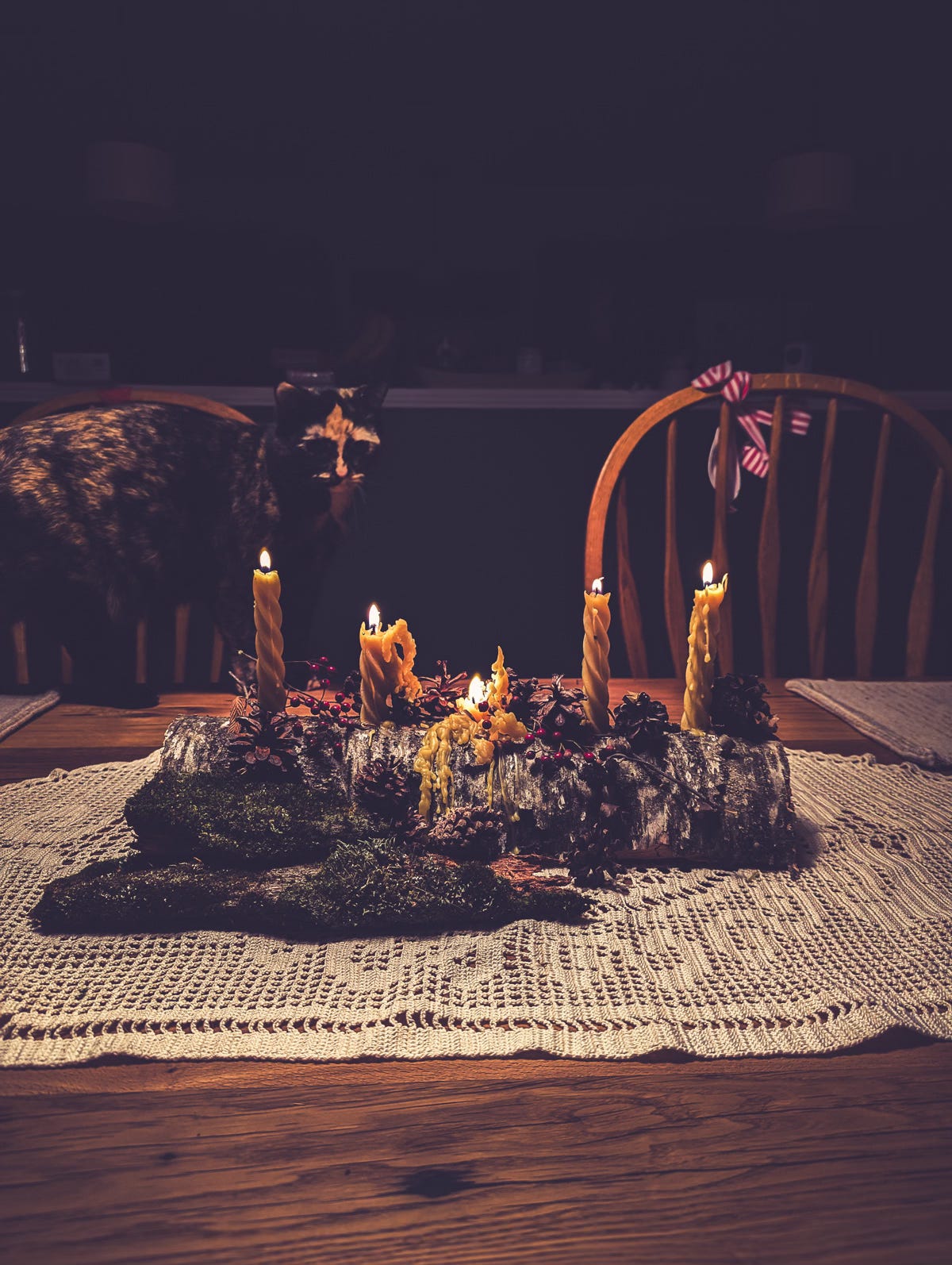

While looking through an old post-war Polish cookbook I found the phrase, czem chata bogata tem rata.
“The little cottage shares what it has.”
The kitchen was once a source of hope and resistance when the world was in shambles. It was a place where families and communities gathered together to share the burden, speak their once outlawed native tongue, and make their ancestral food to feed the collective.
Can you remember the last time you cooked with someone?
Aside from maybe the annual holiday baking get together, the kitchen is a lonely place. It’s a place I avoided as much as possible for a very long time. I hated the task of cooking, then cleaning, the time it took away from every other thing I’d rather be doing, and the constant repetition.
But in winter, our world grows smaller. We aren’t traveling as far due to weather. There are many days I don’t leave the house because of snow, ice, or cold. As our living radius shrinks, all roads lead to one place. The stove is the heart of the home, radiating a soft warmth that thaws chilly days. In Slavic countries where the winters are cold, the stove was built first, followed by the house nestled around it. These were massive stoves that provided both warm meals and a warm bed to sleep on at night with its varying platforms.
I didn’t want to acknowledge the pull of this place for many years. My kitchen sat cold except when absolutely necessary. The shift came when I started discovering all of the small devotions that take place in a kitchen. I learned that when we care for things like they are holy, they care for us in turn.
It’s not until we start digging into the history of how people once moved through the kitchen that we see just how essential it was to their lives. For example, in that same Polish cookbook it suggests:
beat butter or eggs and sugar for one hour, and in one direction only
vegetables that grow underground should start off in cold water before boiling
vegetables that grow aboveground should start off immediately in boiling water
Bread and salt symbolize the mainstay of life
Poultry should always be purchased live
The artistry of the table setting is just as important as the food
Always salt food during the cooking process, except peas
All ingredients should be brought to room temperature before using
A heavy hand with spice smothers the flavor of the ingredients
Nothing goes to waste. Turn stale bread into breadcrumbs, fruit skins into cordials, and every part of the animal into a dish (pickled pig feet, tongue, liver, and even spleen)
All of these little kitchen wisdoms show a level of devotion that is rare in our society. After all, this was the place that kept the family alive when grocery stores didn’t exist.
While I probably won’t be beating my eggs and sugar for an hour, or eating pickled pig feet, there are many practices that have changed my attitude towards the kitchen ritual and helped me connect with these old ways. Maybe these will help you mend your own tedious relationship with the kitchen or deepen your appreciation and practice.
